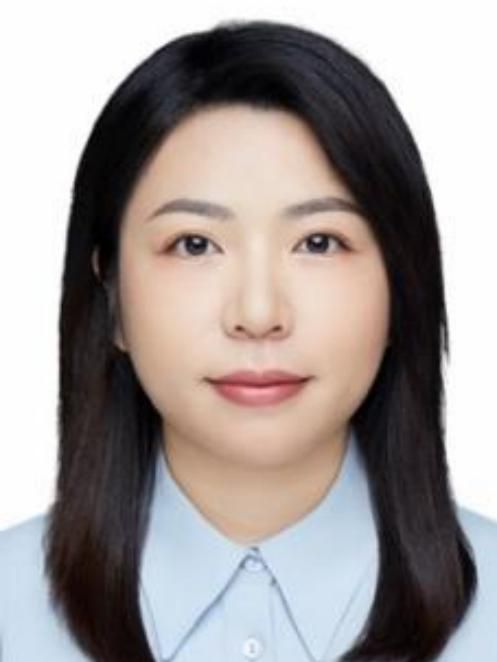
QiutanYang
Institute of Zoology, Chinese Academy of Sciences, China
The construction of organoid systems from human pluripotent stem cells (PSCs) has significantly advanced disease modeling, personalized medicine, and the study of human biology. However, achieving sufficient maturity in PSC-derived intestinal organoids remains a substantial challenge, as they often fail to match the maturity of their adult stem cell-derived counterparts. Additionally, human embryonic tissue-derived intestinal organoids, which represent the early developmental stages of the intestinal epithelium, cannot be fully matured to adult tissue status under conventional in vitro Matrigel culture conditions.
In this study, we introduce a strategy of multi-germ-layer co-culture, initiated at the onset of human PSC differentiation. This approach yields intestinal organoids that exhibit morphology, cellular composition, and physiological functions resembling those of adult tissue-derived organoids. Single-cell transcriptomic analysis and in vivo transplantation studies reveal that the induced organoids mimic the fetal gut epithelium towards the end of the first trimester of pregnancy, which is more mature than intestinal organoids in currently reported PSC-induced in vitro systems. Moreover, long-term passaging demonstrates that these organoids can continue to develop further in vitro without the need for in vivo transplantation.
Our findings highlight the potential of applying developmental principles through multi-germ-layer co-culture to enhance the maturation of intestinal organoids, thereby providing a valuable tool for advancing organoid engineering and disease modeling.